Nurse Shortages Due to a Lack of Clinicals for Nursing Schools
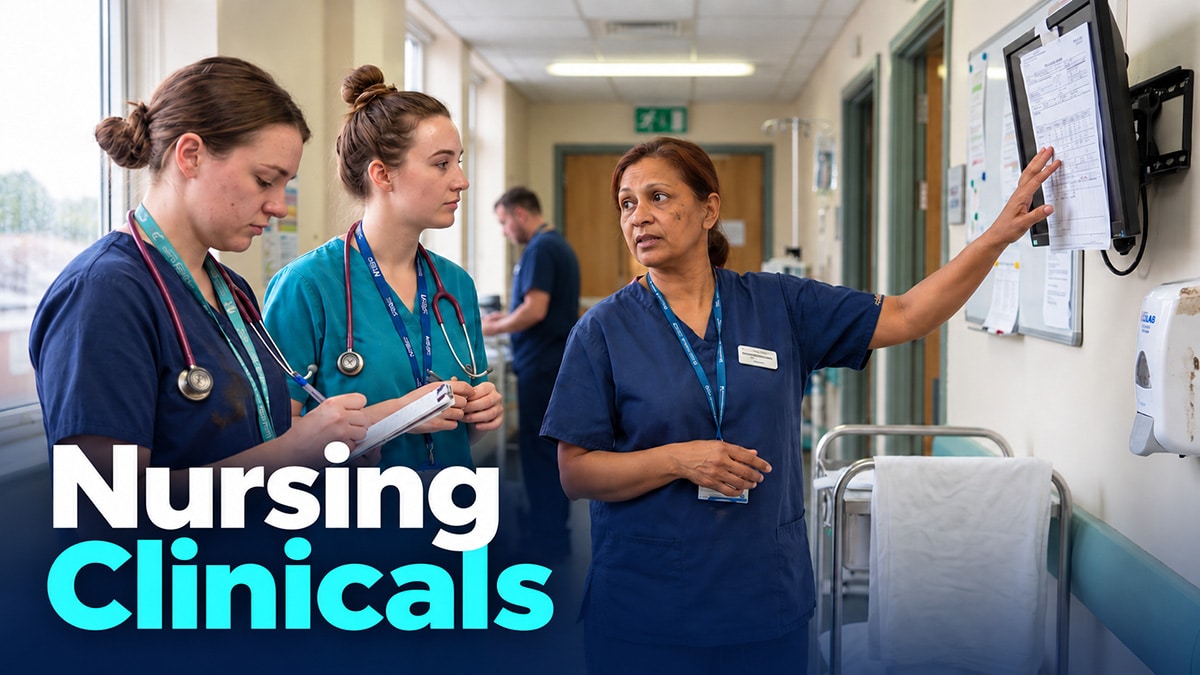
If you’re interested in or pursuing a nursing career, it’s important to understand that the supply of nurses is actually restricted by clinical placement availability.
A lack of placements can make it hard to get into nursing school and may cause issues when you need to complete clinicals. But it also means there is less competition for jobs when you graduate.
Why Clinicals Are in Short Supply
Clinicals give you supervised experience caring for patients. Hospitals, clinics, and long-term care facilities can only absorb so many student nurses at once. A nursing school may have room for you in the classroom but still lack a clinical placement where you can complete your training.
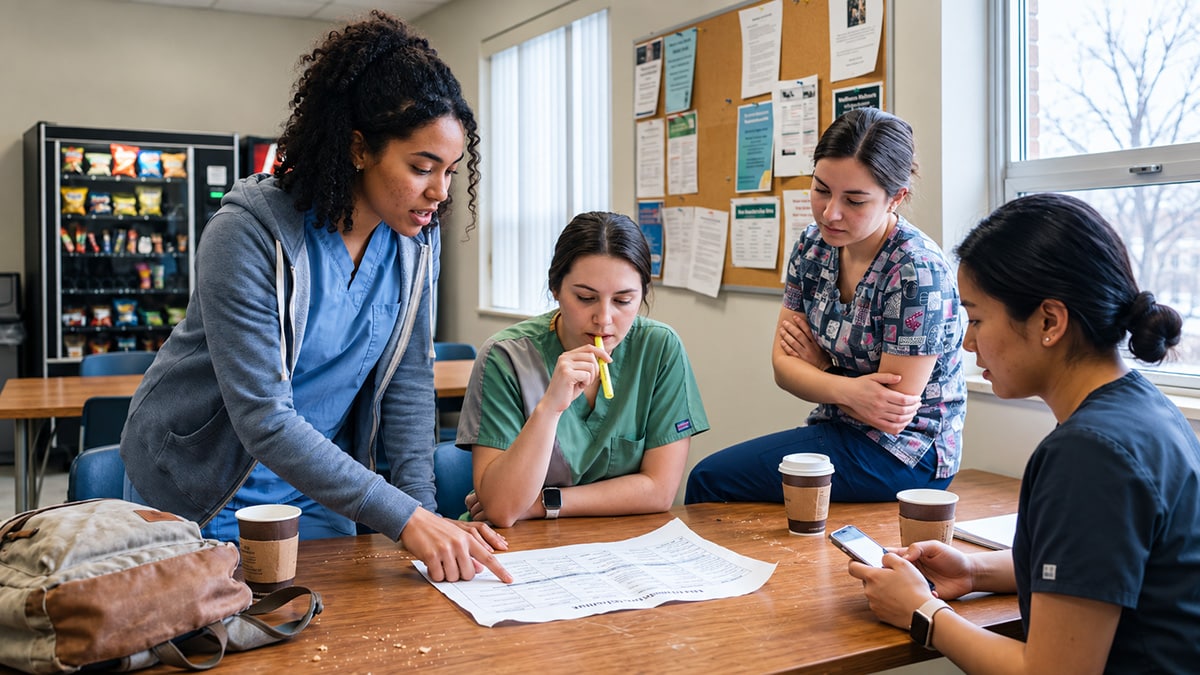
Limited placement sites
More than 60% of nursing programs cite a lack of clinical placement sites as a major barrier to growth, and over 90% report that placement difficulty affects daily operations, according to AACN data cited by NurseEducator.com. For students, the shortage can mean fewer places in nursing school and fewer available rotations once enrolled.
Too few supervisors
Faculty shortages make the squeeze worse because someone has to supervise every rotation. AACN’s 2025-2026 Faculty Vacancy Survey of 863 nursing schools found 1,588 vacant full-time faculty positions, a 7.2% vacancy rate across nearly 22,000 budgeted roles.
Of those vacant positions, 80.9% required or preferred a doctoral degree. Fewer faculty members mean fewer students a program can safely place and supervise, regardless of how many hospital partnerships it has on paper.
Better placement coordination
Some schools use nursing placement software to match students with available clinical slots, track preceptor capacity in real time, and coordinate rotations. Better coordination can help you secure an available placement and receive clearer scheduling information. Software cannot fix the underlying shortage of sites and faculty, but it can help schools use the placements they have.
How Placement Shortages Can Delay Your Degree
Nursing has never been more in demand, yet qualified applicants are being turned away from nursing school. Data from the American Association of Colleges of Nursing reported by RegisteredNursing.org show the scale of rejected applications:
| Reported period | Qualified applicants rejected |
|---|---|
| 2023 | About 65,766 |
| 2024 | About 80,162 |
| 2025-2026 academic year | 93,176 |
Of the 93,176 qualified applicants rejected by U.S. nursing programs in 2025-2026, 75,255 were from entry-level BSN programs.
Getting accepted is only the first hurdle. A school with a strong reputation but a thin roster of clinical partners can leave you waiting an extra semester or two for the rotations you need to graduate. Ask programs directly how many clinical hours they can guarantee and how they’ve handled placement shortfalls for previous students.
Where you live and study affects your options too. Students in rural regions may have fewer hospitals and clinics nearby, leaving fewer alternatives if a placement falls through. Before enrolling, ask whether you may need to travel or temporarily relocate to complete clinicals.
What to Ask Before Choosing a Nursing Program
If you’re choosing a program, placement availability deserves as much weight as tuition or rankings. Not every program handles the placement shortage the same way. A few questions are worth asking before you commit to a school:
- How many clinical hours are guaranteed versus “expected but not confirmed”?
- What’s the preceptor-to-student ratio during rotations?
- Does the program have long-standing hospital and clinic partnerships, or is it seeking new ones every semester?
- How much of the clinical requirement can be met through simulation labs versus real patient contact?
- What happens if your placement is delayed, and could it affect your graduation date?
Look for clear answers supported by actual numbers, including how many students have experienced delays. Faculty availability also affects the supervision you receive. The vacancies documented in AACN’s Faculty Vacancy Survey give you a reason to ask whether the school has enough instructors for its planned rotations.
How to Make the Most of Your Clinicals
How you use your clinical hours can shape your early career.
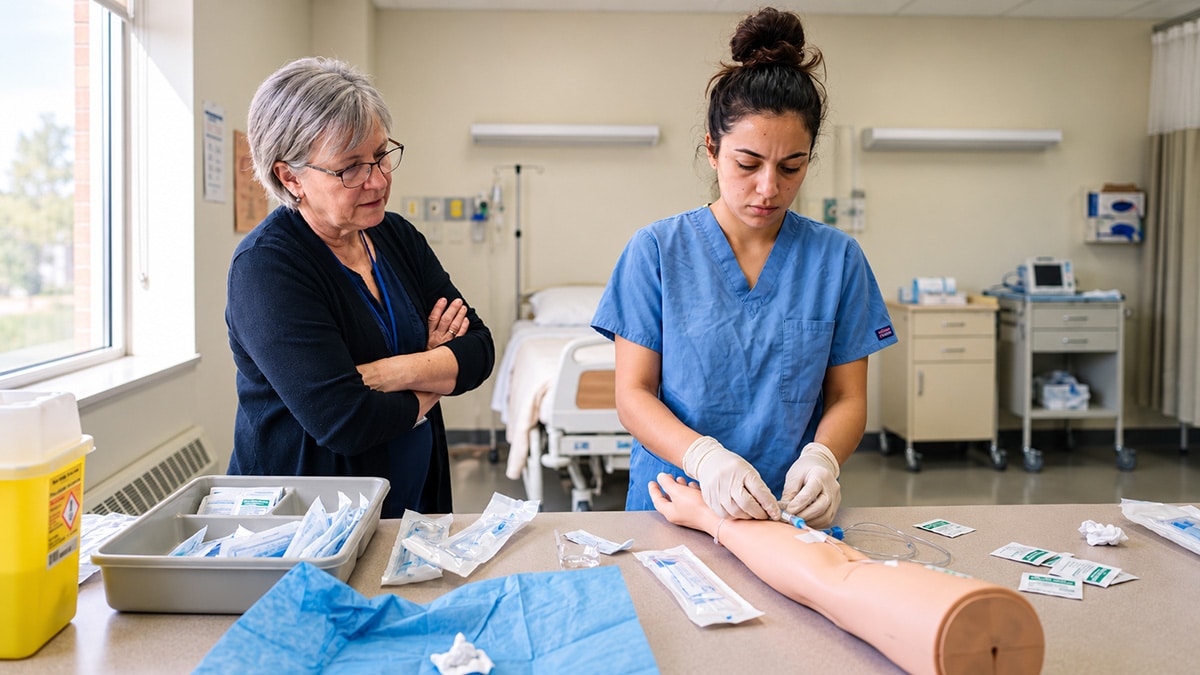
- Build real relationships with your preceptors rather than treating clinicals as a box to check. A preceptor who remembers you as sharp and reliable is a reference and, often, a job lead once you’re licensed.
- Seek variety where you can. Students who rotate through a mix of specialties tend to have an easier time deciding what kind of nurse they want to become. Our guide to registered nurse career advancement opportunities gives you an idea of where those interests could take you after graduation.
- Document what you learn and where you struggled. Your notes become useful during job interviews when you’re asked to describe hands-on experience rather than coursework. Show up to each rotation ready to learn something specific rather than just clock hours.
- Keep your licensing goal in mind as well. The National Council of State Boards of Nursing provides information about the NCLEX and nursing regulation. Understanding what you will need to demonstrate helps you connect your placement experience with preparation for licensure.
What Nurse Shortages Mean for Your Career
A limited supply of new nurses can work in your favor when you graduate. Employers still need qualified staff, even when nursing schools cannot train enough students. Job opportunities vary by location and specialty, so the shortage does not guarantee your first choice of role.

Job opportunities by location
Location is especially relevant when considering where to work. HRSA’s workforce projections show non-metropolitan areas facing an 11% RN shortage by 2038, compared with just 2% in metro areas. Rural work may be worth considering if you are open to building your career outside a major city.
Career options after gaining experience
Once you have experience as an RN, teaching nursing students may also become a career option. Our article on the clinical nurse educator role explains how experienced nurses help prepare others for patient care.
Further study is another decision to consider as your career develops. If you are considering postgraduate study in Australia, our guide on whether a master’s in nursing is worth it looks at the potential benefits.
For now, choosing a program that can support your clinical training and making good use of each rotation puts you in a better position to graduate and start work.