How to Stop Doomscrolling: 8 Tips for College Students

If you’re a college student and want to stop doomscrolling today, follow these science-backed tips. Doomscrolling can be disastrous for college students, leading to academic underperformance, failing grades, anxiety, and social isolation.
The tips to avoid doomscrolling include mindfulness techniques, activities to replace phone use, and changes to your study routine. Start small: put your phone away, tackle one study task or take a short walk. Build on those steps through regular exercise, creative hobbies and time with friends.
Evidence and Research on Quitting Doomscrolling
Research on attention, habits, stress and well-being provides a basis for the tips in this guide. Each section links to findings relevant to the activity or approach.
Since 2013, Lerna Courses has been advising on online learning. Through student essay competitions, we have also gathered advice from university and college students on how to succeed. Distraction-free study is a recurring theme.
Drawing on student experience and scientific research, the tips focus on three areas:
- Awareness: Recognize your triggers and notice when scrolling becomes automatic.
- Habit management: Reduce interruptions and make it easier to begin a study task.
- Replacement activities: Use movement, creative hobbies and social contact to take healthier breaks. Give regular exercise a place in your week.
Doomscrolling means getting stuck scrolling through TikTok, Instagram Reels or other online feeds long after you intended to stop. Even funny or entertaining content can become part of a compulsive habit. Cutting back frees time for study, sleep, exercise and friends.
1. Notice What Triggers Your Doomscrolling
Notice what happens just before you start scrolling. For a day or two, jot down where you are, how you feel and what you were about to do. Look for patterns such as avoiding a difficult assignment, feeling bored between classes or checking news before bed.
Why this works: Researchers studying smartphone habits found that brief, repeated checks sometimes prompted further activity on the device. Catching the first check gives you an opportunity to interrupt the sequence before a quick look becomes a long scrolling session.
If you repeatedly open social media when coursework becomes confusing, prepare a response for that moment. Write down the exact question you need answered, then check your lecture notes or ask a classmate. Keep a reminder beside your laptop: “What am I stuck on?”
Related: 7 Proven Time Management Tips for Online Students
2. Put Your Phone Out of Reach While Studying
Put your phone in another room before you start studying, or zip it inside your bag when you are on campus. Silence notifications, including vibrations, and leave the phone there until your planned stopping point.

Why this works: In an experiment at Florida State University, call and text notifications disrupted performance on a task requiring sustained attention. Participants were distracted even when they did not interact with their phones.
Before a library session, use your phone for any login codes, then pack it away. Try a 25-minute study block using a timer on your computer. Mute desktop notifications too, so messages do not interrupt you on another screen.
3. Start With One Small Study Task
Choose one study action you can finish in a few minutes, then close your feed and begin. Read one page, answer one practice question or write a few rough sentences. Be specific about what you will do first.
Why this works: A 2025 experiment involving 1,035 adults tested a brief exercise combining reflection on an avoided task, choosing a small first step and planning a reward. Participants who completed the exercise rated themselves more likely to finish the task within 24 hours than participants in the control groups.
For an essay, open a document and write one possible argument with two supporting points. Leave polishing for later. Once you have those notes, choose your next small task, such as finding a source to support one point.
Related: Research, Outline, Write: How to Start a Writing Assignment
4. Get Up and Move Between Study Sessions
Get up and move for a few minutes between study blocks. Walk around the building, take the stairs or stretch your shoulders and legs. Put your phone away before you start.
Why this works: A randomized trial of 30 adults tested five-minute brisk walks every hour across six hours. Participants reported more energy, better mood and less fatigue than when they stayed seated.
Try a five-minute walking route around campus or through your building after finishing a study block. Refill your water bottle along the way, then return to your desk. If you only have a minute, stand up for a few stretches while looking away from your screen.
5. Pause and Notice Your Surroundings
Pause when you catch yourself scrolling automatically. Put your phone down and notice nearby sounds, the feeling of your feet on the floor or a few comfortable breaths. Notice any urge to reach for the screen without immediately acting on it.

Why this works: In a controlled study of college students, participants who listened to a ten-minute guided meditation were more accurate on a test of ignoring distractions than students who listened to a control recording. Benefits varied between participants.
Try a one-minute pause before returning to an assignment. Name three things you can see, two sounds you can hear and one physical sensation. Then choose your next study action, such as reading the next paragraph. For a longer break, try ten minutes of guided breathing meditation.
Related: Best Study Apps for Students
6. Create Something Instead of Scrolling
Pick up a creative hobby during some of your breaks. Sketch an object nearby, write a short journal entry or work on a craft project you enjoy. Keep the goal small and give yourself permission to leave it unfinished when study time resumes.
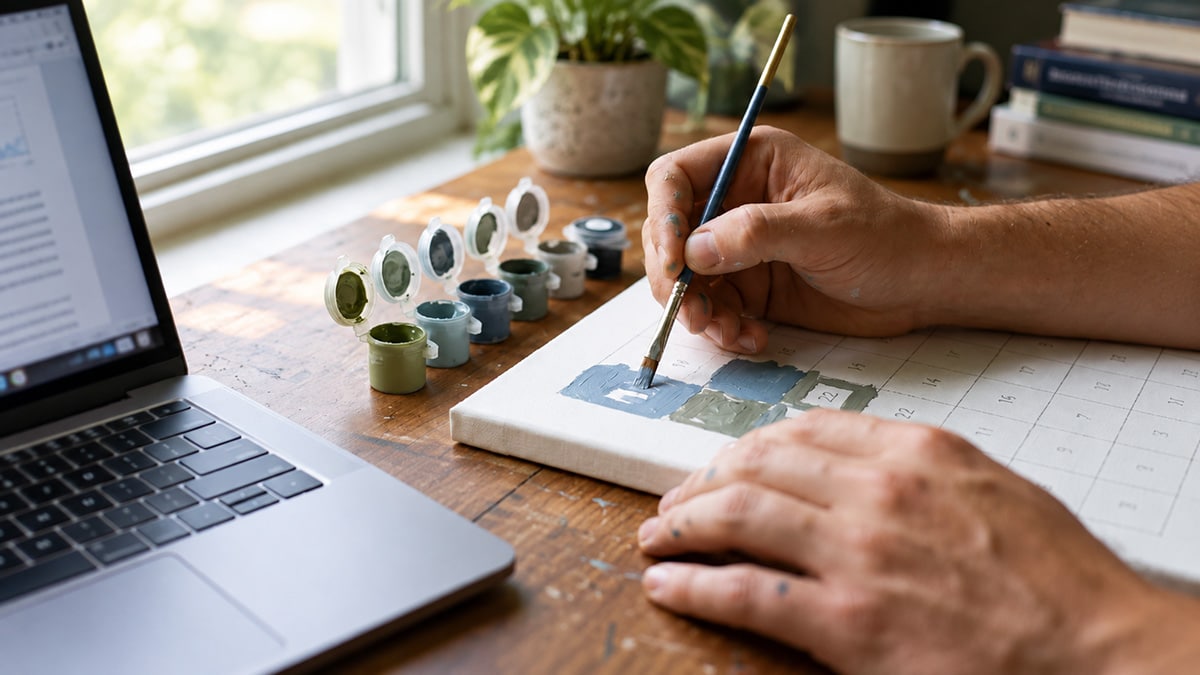
Why this works: In a small study at Drexel University, 39 adults spent 45 minutes making art. Around three-quarters had lower levels of cortisol, a stress hormone, afterward. Prior art experience was not significantly related to the change.
For a longer break at home, a color by number painting kit gives you a design to follow. Work on one small area at a time, allowing for setup and washing your brushes before returning to study.
7. Take a Break With Other People
Use some study breaks to talk to another person. Invite a classmate for a short walk, have lunch with a friend or chat with your roommate. Put your phone away and give the conversation your attention.
Why this works: In a study of student interactions, students reported greater happiness and a stronger sense of belonging on days when they interacted with more classmates than usual. Researchers also found that everyday contact with acquaintances was associated with better well-being.
Try arranging a ten-minute break with a classmate already studying nearby. Finish a task, then walk outside together and talk about something beyond the assignment. Agree when to return so the break has a clear end.
8. Build Exercise Into Your Weekly Routine
Choose a physical activity you enjoy and give it a regular place in your week. Walk, cycle, swim, lift weights or play a sport. Schedule it around your classes, especially during time you would otherwise spend scrolling.
Why this works: A randomized trial of 58 young adults found that a vigorous exercise session improved performance on tests of ignoring distractions and switching tasks compared with no exercise. Researchers also measured increased blood levels of brain-derived neurotrophic factor (BDNF), a protein involved in learning and memory. Greater BDNF increases were associated with greater improvements in task-switching.
Start with a brisk 20-minute walk after your last class, keeping your phone in your bag. “Getting your heart rate up is something you can do just by walking fast,” says Harvard psychiatrist John Ratey. Choose your first study task before leaving so you know where to begin when you return.